August 3, 2026

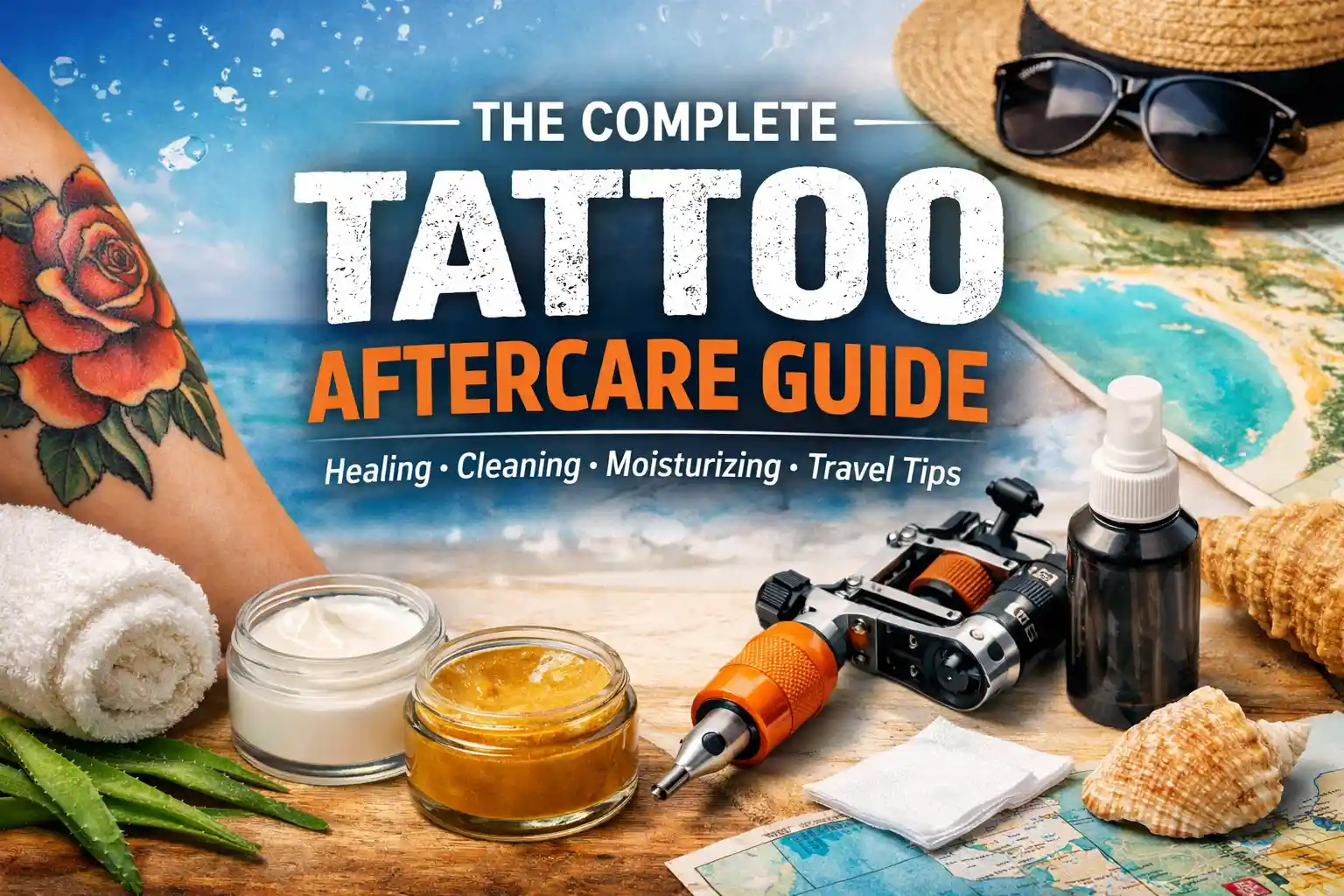
Getting a tattoo is exciting. It is a form of art that stays on your body for life. But once the tattoo session is finished, the real responsibility begins. Proper aftercare determines how well your tattoo heals and how vibrant it will look in the future.
Many people focus on choosing the design and the tattoo artist, but ignore the healing process. Poor aftercare can lead to fading, irritation, infections, and long healing times. On the other hand, a simple and consistent aftercare routine helps your tattoo heal smoothly.
This guide explains everything you need to know about tattoo aftercare. From understanding healing stages to choosing the right creams, cleaning routines, and even traveling with a fresh tattoo, we will cover it all.
By the end of this guide, you will know how to protect your tattoo and keep it looking great for years.
A tattoo is more than just ink on the skin. During the tattoo process, the needle places pigment into the dermis layer of your skin. Because of this, your body treats the tattoo as a small wound and begins the healing process.
Healing usually happens in stages.
Your skin may feel tender and slightly swollen. Some redness is normal during this stage. The tattoo may also release a small amount of plasma or ink.
During this time, keeping the area clean is very important.
Your tattoo will begin to peel slightly. This is a normal part of healing. The skin may feel dry and itchy as new skin forms.
Avoid scratching or picking the skin during this stage.
The tattoo may look slightly dull while the deeper layers of skin continue healing. Over time, the colors become clearer again.
If you want to understand whether your tattoo is healing normally, it helps to recognize common healing signs.
Knowing these signs helps you stay calm during the process and avoid unnecessary worry.
The first few days after getting a tattoo are the most important. Proper care during this time protects the skin and prevents infections.
Your tattoo artist will usually cover the tattoo with a bandage or wrap. This protects the area from bacteria.
Most artists recommend removing the bandage after a few hours. Wash your hands before touching the tattoo.
Use lukewarm water and a mild soap. Gently clean the area without scrubbing.
Use a clean towel and gently pat the tattoo dry. Do not rub the area.
A thin layer of tattoo aftercare cream helps keep the skin hydrated.
If you want a step-by-step routine, you can read this detailed tattoo care guide.
Consistency is key. Even small steps like proper washing and moisturizing can make a big difference in healing.
Cleaning your tattoo helps remove bacteria, sweat, and excess ink. However, many people make the mistake of cleaning their tattoos too often.
You should normally wash your tattoo two to three times a day during the early healing stage.
Choose fragrance-free soap that does not contain harsh chemicals.
Hot water can irritate the skin and slow the healing process.
Never scrub your tattoo. Use your fingers and clean water.
One common mistake is over cleaning the tattoo.
Too much washing can dry out the skin and delay healing. Balance is important.
Many people feel confused when their tattoo still feels dry even after applying lotion. This happens more often than people expect.
There are several reasons for this.
Your skin is rebuilding itself after the tattoo process. During this time, dryness is common.
Some lotions contain alcohol or fragrance that can dry the skin.
Cold weather, air conditioning, and low humidity can also cause dryness.
If you are experiencing this issue, learning about tattoo dryness can help you understand the problem better.
Choosing the right moisturizer and applying it properly can help reduce this discomfort.
Tattoo creams help keep the skin hydrated while protecting the tattoo during healing.
But not every product works for everyone.
The best tattoo creams usually contain natural ingredients like:
Fragrances and alcohol can irritate fresh tattoos.
People with delicate skin should use products designed for sensitive skin.
Using the wrong product can cause redness, itching, or irritation. Always choose creams made specifically for tattoo aftercare.
Healing balms are popular among tattoo artists and experienced tattoo collectors.
Unlike regular lotions, balms create a protective layer over the tattoo while keeping the skin moisturized.
Common ingredients found in healing balms include:
Many people prefer balms because they stay longer on the skin and protect the tattoo during the early healing stage.
If you want to explore recommended products, you can check these healing balms.
Always apply balms in a thin layer. Using too much product can block the skin and slow healing.
Traveling with a fresh tattoo requires extra care. Changes in the environment, long flights, and outdoor activities can affect healing.
If you plan to travel after getting a tattoo, keep these tips in mind.
Bring your tattoo cream, gentle soap, and clean tissues.
Direct sunlight can damage healing tattoos.
Dry air during flights can affect your skin.
Travel situations can make aftercare difficult. Following proper tattoo travel tips helps protect your tattoo during trips.
Planning makes a big difference.
Climate plays a larger role in tattoo healing than many people realize.
Different weather conditions affect your skin in different ways.
Heat and sweat can irritate healing tattoos.
Cold air often causes dryness and skin tightness.
High humidity may increase sweating and discomfort.
When traveling between different climates, your tattoo may react differently. Understanding climate healing helps you adjust your aftercare routine.
Small adjustments like moisturizing more often or protecting the tattoo from sunlight can help maintain healthy healing.
Many tattoo problems happen because of simple mistakes during the healing process.
Some common errors include:
Itching is normal, but scratching can damage the design.
A thick layer of cream blocks airflow and slows healing.
Sun exposure can fade tattoo colors.
Peeling is natural. Let the skin shed naturally.
Avoiding these mistakes helps keep your tattoo healthy and vibrant.
While healing takes time, there are several positive signs that show your tattoo is recovering well.
These include:
If you notice these healing signs, it usually means the process is moving normally.
However, if you experience severe redness, swelling, or unusual pain, you should contact a professional.
If you want more helpful tips and detailed aftercare advice, you can explore additional guides on Tattoo Gleam that explain different aspects of tattoo healing and skin care.
Tattoo aftercare does not need to be complicated. A few simple habits can protect your tattoo and help it heal smoothly.
Remember these key points:
Healing is a gradual process. Patience and proper care ensure your tattoo looks sharp and vibrant for years to come.