Getting a tattoo is exciting, but knowing whether it’s healing properly can sometimes be confusing. Every tattoo goes through a healing process, and recognizing the signs of normal healing versus complications is essential for maintaining your artwork and avoiding infections. In this guide, we’ll cover everything you need to know about tattoo healing, signs to watch, and tips to ensure your new tattoo stays vibrant and healthy.
Understanding the Tattoo Healing Process
A tattoo is essentially an open wound created by needles depositing ink into your skin. Because of this, your body reacts in a series of stages to heal the area. The healing process typically takes 2 to 4 weeks for the surface skin and up to 3 months for deeper layers.
Stages of Tattoo Healing
- Immediate Healing (Days 1–3)
- Redness, swelling, and minor oozing of plasma or ink are normal.
- Your tattoo may feel warm and slightly tender.
- Peeling and Itching (Days 4–14)
- The tattoo will start to scab and peel, similar to a sunburn.
- Itching is common, but avoid scratching to prevent damage.
- Final Healing (Weeks 3–4)
- Skin may feel dry or flaky.
- Tattoo colors begin to settle and look vibrant as the skin fully regenerates.
- Long-Term Healing (1–3 months)
- Deeper layers of skin continue to heal.
- Some fading or minor scabbing may occur, which is normal.
Signs Your Tattoo Is Healing Normally
Knowing what’s normal can prevent panic and unnecessary interventions. Common signs of healthy tattoo healing include:
- Mild Redness: A slight red hue around the tattoo is expected in the first few days.
- Swelling and Tenderness: Some swelling and tenderness are natural and should reduce over time.
- Scabbing and Peeling: Light scabs and flakes are part of the skin regeneration process.
- Itching: Occasional itching indicates healing, but don’t scratch.
- Color Settling: The tattoo may appear dull at first, but colors will brighten after complete healing.
Signs Your Tattoo Might Not Be Healing Properly
While some discomfort is normal, certain symptoms could indicate infection or poor healing:
- Excessive Redness or Swelling: If redness spreads or swelling worsens after 3–4 days, it may be a sign of infection.
- Pus or Foul Smell: Yellow or green discharge is abnormal and requires medical attention.
- Severe Pain or Heat: Sharp pain or warmth around the tattoo could indicate an infection.
- Blistering or Open Wounds: Large blisters or skin breaking open are not normal.
- Delayed Healing: If scabs persist beyond 3 weeks or the tattoo looks dull or faded unevenly, consult your tattoo artist or a doctor.
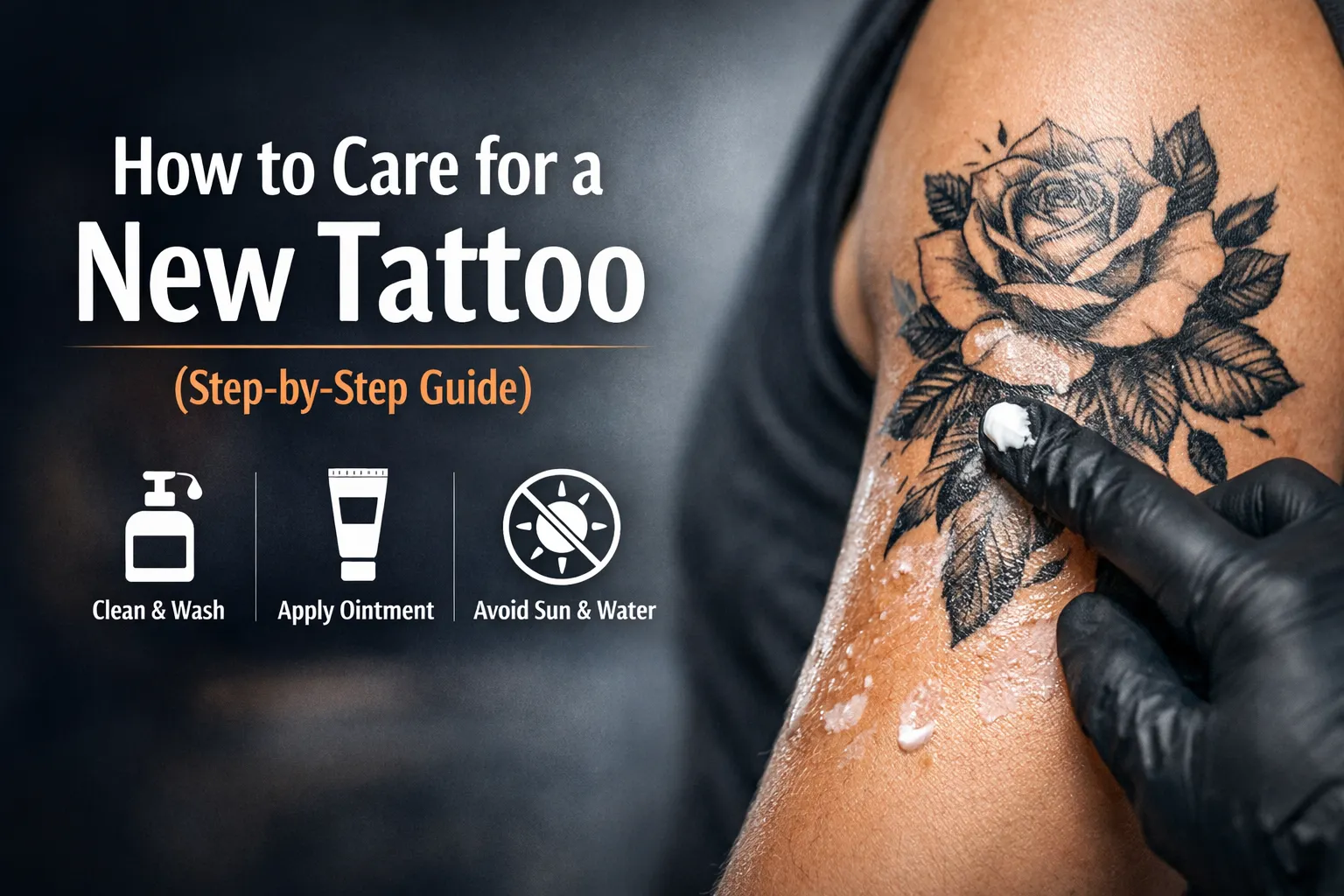
Tips for Proper Tattoo Aftercare
Proper aftercare is crucial for a healthy tattoo. Follow these tips to promote healing and prevent complications:
- Keep It Clean
- Gently wash the tattoo with mild, fragrance-free soap and lukewarm water twice a day.
- Pat dry with a clean towel, don’t rub.
- Moisturize Regularly
- Apply a thin layer of tattoo ointment or unscented lotion.
- Avoid over-moisturizing, which can slow healing.
- Avoid Sun Exposure
- UV rays can fade tattoos and damage healing skin.
- Cover the tattoo or use SPF 30+ after initial healing.
- Do Not Scratch or Pick Scabs
- Scratching can cause scarring and ink loss.
- Use a light moisturizer to relieve itching.
- Avoid Soaking in Water
- Refrain from swimming pools, hot tubs, or baths for at least 2 weeks.
- Quick showers are safe.
- Wear Loose Clothing
- Tight clothing can irritate the tattoo and disrupt healing.
When to See a Doctor
Even with proper care, complications can happen. Seek medical advice if you notice:
- Persistent redness, swelling, or pain
- Pus, foul odor, or bleeding
- Fever or chills
- Rapid spreading of the tattoo area
Early intervention can prevent serious infections and long-term damage.
Common Myths About Tattoo Healing
- Myth 1: Peeling Means Infection
- Peeling is a natural part of healing, not necessarily a sign of infection.
- Myth 2: You Should Keep the Tattoo Covered
- Over-covering can trap bacteria. Open-air exposure helps healing once the initial bandage is removed.
- Myth 3: All Tattoos Heal the Same Way
- Healing varies by location, skin type, and tattoo size. Larger tattoos or areas with thinner skin may take longer.
Final Thoughts
Healing a tattoo is a process that requires attention and patience. By understanding the signs of normal healing, following proper aftercare, and recognizing warning symptoms, you can protect your new tattoo and ensure it looks vibrant for years to come. Remember, a tattoo is not just art; it’s your skin, and taking care of it is essential.