
March 11, 2026

Water and fresh tattoos don’t mix as easily as most people think. While a quick dip in the pool or ocean might feel harmless, your tattoo is still in a healing phase, and exposure to water can interfere with that process.
A new tattoo is essentially an open layer of skin. It needs time, protection, and the right environment to heal properly. Understanding when it’s safe to swim, what risks are involved, and how to care for your tattoo can make a big difference in how your ink looks long-term.
At Tattoo Gleam, the focus is on helping you protect your tattoo with practical, real-world care, especially in situations like swimming, sun exposure, and outdoor activities.
The short answer: No, you shouldn’t swim with a new tattoo.
Most professionals recommend waiting at least 2 to 4 weeks before exposing your tattoo to pools, oceans, lakes, or hot tubs. Even if your tattoo looks healed on the surface, deeper layers of skin are still recovering.
Skipping swimming for a few weeks might feel inconvenient, but it helps preserve both the health of your skin and the clarity of your tattoo.
Swimming too early can lead to several issues, some of which may not be immediately visible.
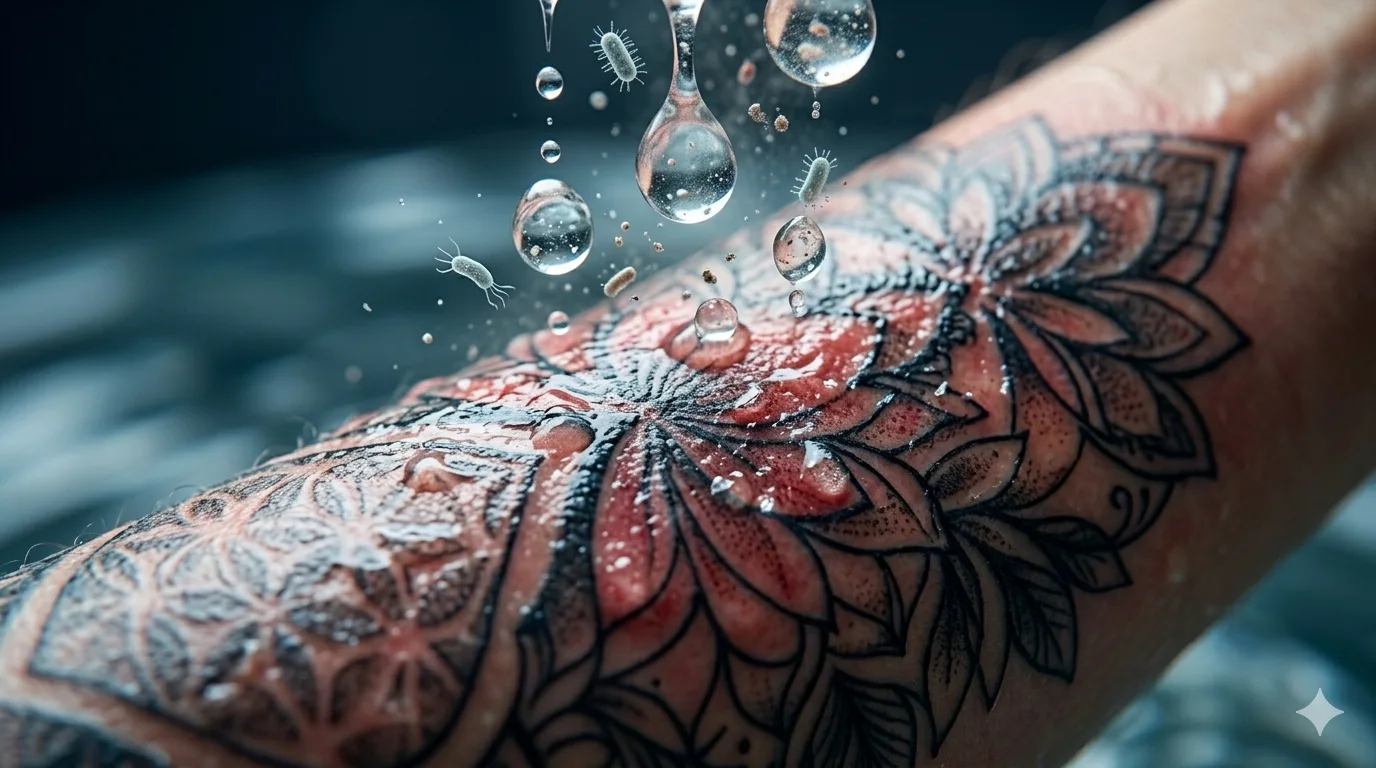
Pools, oceans, and lakes all contain bacteria, even if the water looks clean. A fresh tattoo is vulnerable, making it easier for bacteria to enter and cause irritation or infection.
When your tattoo stays wet for too long, it softens the outer layer of skin. This can delay the natural healing process and lead to prolonged redness or discomfort.
Exposure to water can affect how ink settles into your skin. This may result in patchy areas or reduced vibrancy over time.
Chemicals like chlorine or saltwater can dry out or irritate your skin, especially during the early healing stages.
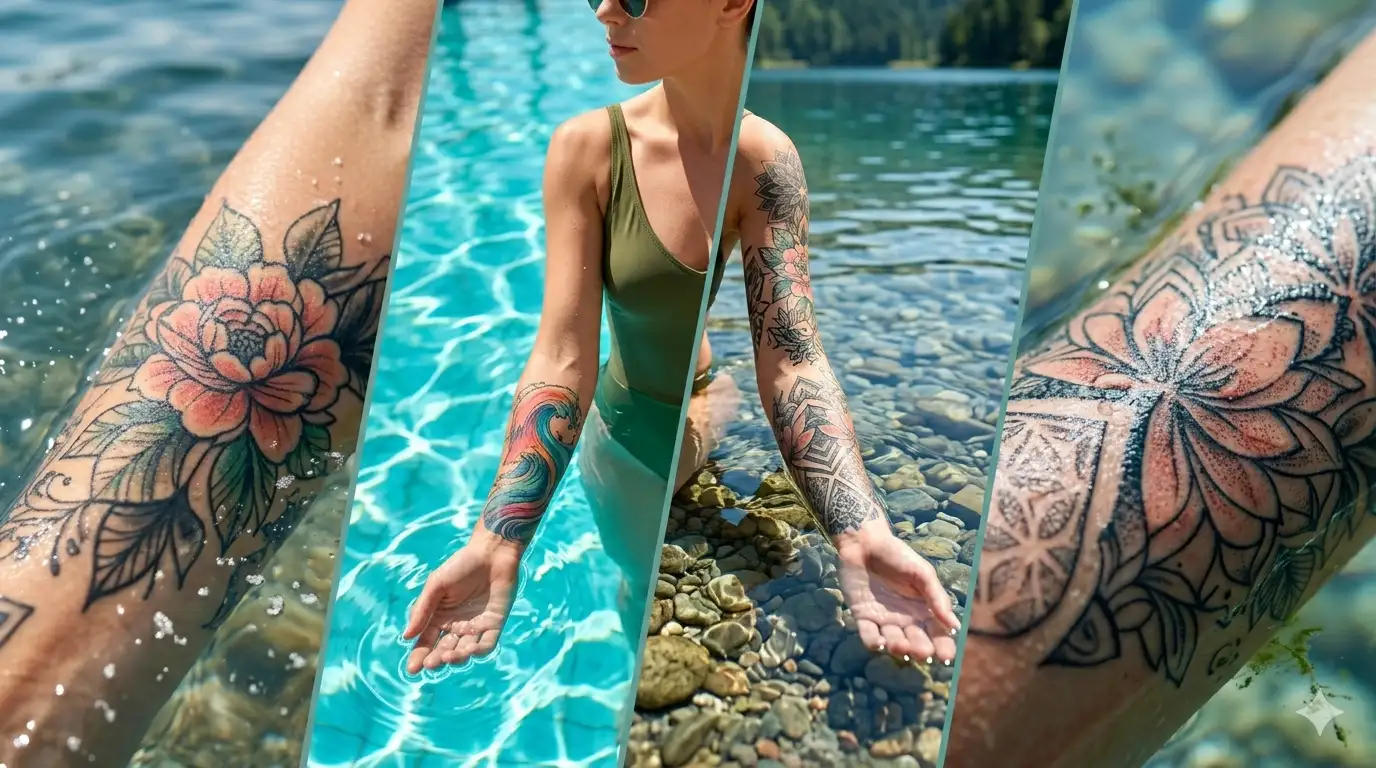
Not all water affects your tattoo the same way. However, none of them are considered safe during the early healing phase.
Chlorine helps keep pools clean, but it’s harsh on healing skin. It can cause dryness, irritation, and even impact ink quality.
Saltwater might seem natural, but it can still irritate your tattoo and lead to excessive dryness.
These are the riskiest options. Natural bodies of water contain bacteria and microorganisms that increase infection risk.
Warm water combined with chemicals creates an environment that can quickly irritate your tattoo and slow healing.

Most tattoos are safe for swimming after 3 to 4 weeks, but this can vary depending on your skin type, tattoo size, and aftercare routine.
Even after this stage, it’s a good idea to ease back into swimming gradually.

If you’re planning to swim after your tattoo has healed, preparation still matters.
Healthy skin holds ink better. Regular moisturizing helps maintain your tattoo’s appearance.
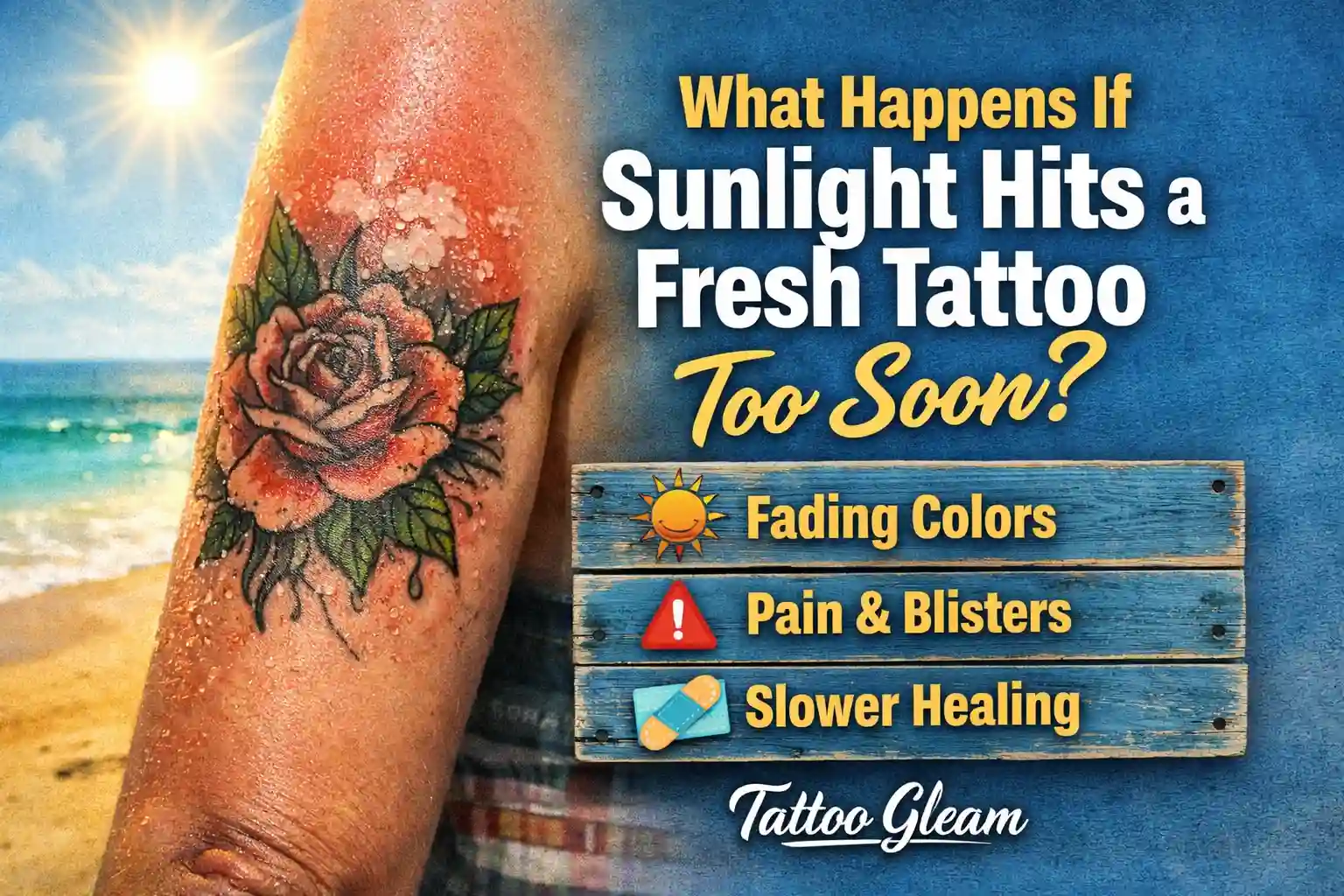
Sunlight can fade tattoos quickly, especially when combined with water exposure. Learn more about how sunlight damage fresh tattoo and why protection matters.
After swimming, gently rinse your tattoo with clean water to remove chlorine, salt, or bacteria.
This helps restore hydration and keeps your skin balanced after exposure to water.
Sometimes, avoiding water completely isn’t possible, especially during travel or summer activities.
These steps don’t eliminate risk, but they can reduce potential damage.
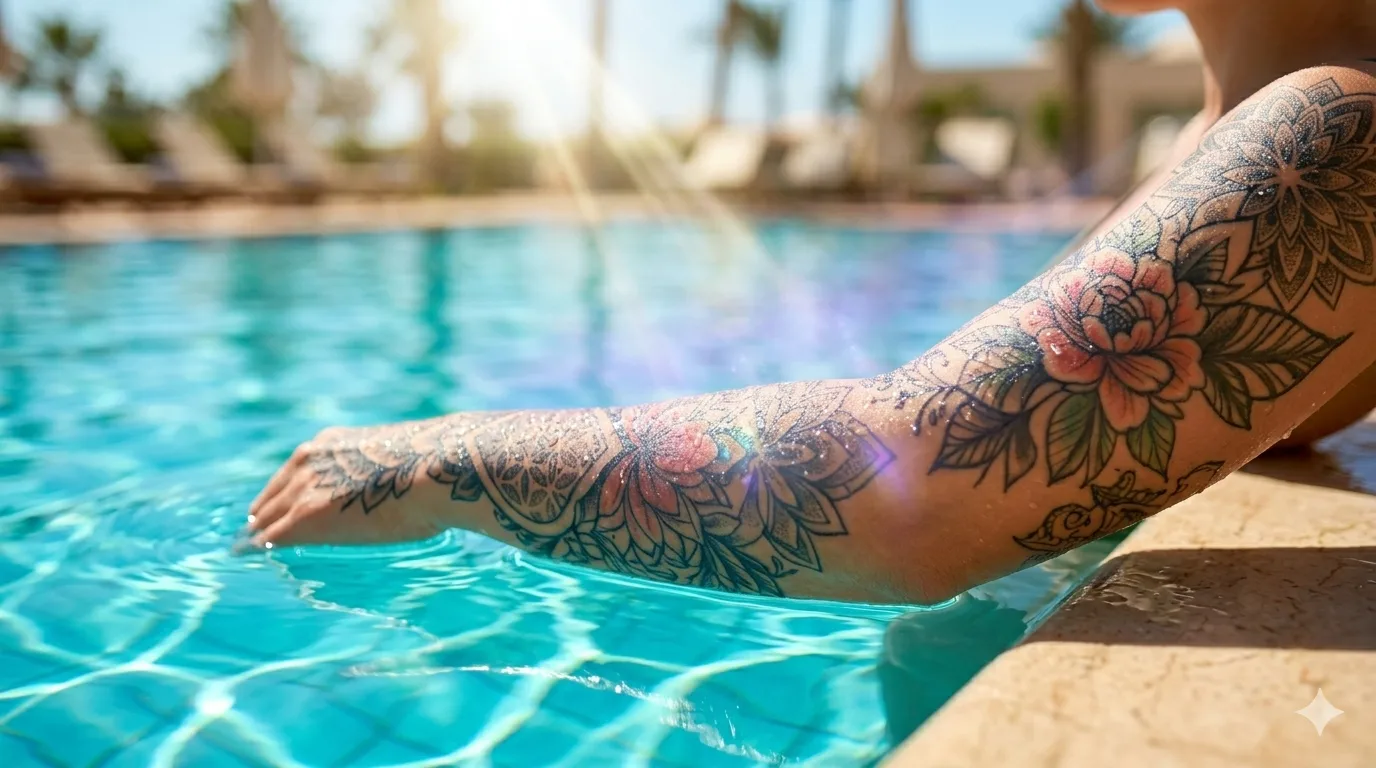
Swimming often goes hand in hand with sun exposure, which adds another layer of risk.
Protecting your tattoo from both water and sunlight is essential, especially during the first few weeks.
Many people unintentionally damage their tattoos by making simple mistakes.
Awareness is key. Small decisions can have a lasting impact on your tattoo.
A solid aftercare routine helps your tattoo heal properly and prepares your skin for activities like swimming.
Following a structured tattoo aftercare guide ensures your skin stays clean, hydrated, and protected throughout the healing process.
Consistency matters more than complexity.
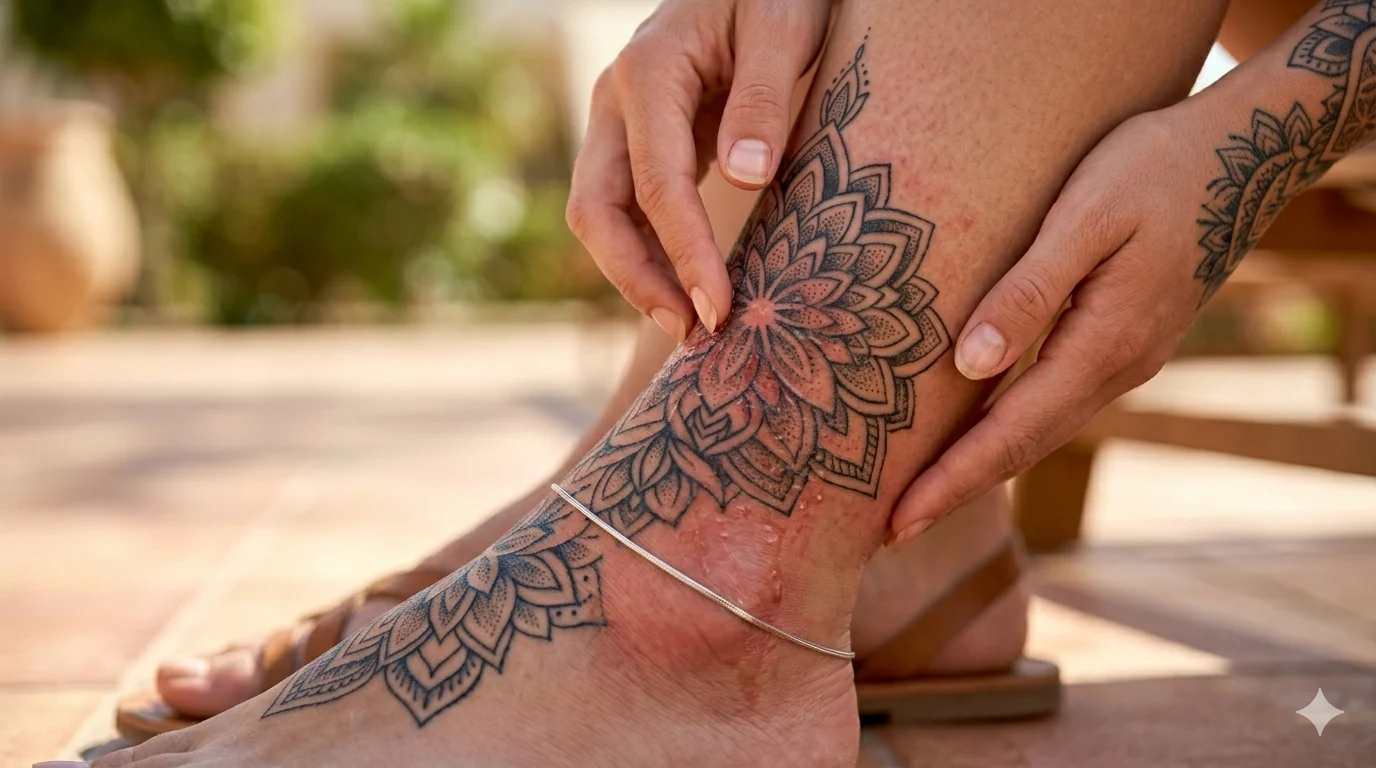
Even after healing, it’s important to watch for changes, especially after swimming.
If you notice any of these signs, give your tattoo extra care and avoid further exposure until it stabilizes.
Swimming is just one part of tattoo care. Protecting your tattoo long-term ensures it stays sharp and vibrant.
Healthy skin supports better-looking tattoos.
Your environment plays a major role in how your tattoo reacts to swimming and sun exposure.
Adjusting your tattoo care based on your location helps you avoid unnecessary complications.
Swimming with a new tattoo might seem harmless, but it carries real risks during the healing phase. Waiting a few weeks before exposing your tattoo to water helps protect both your skin and your ink.
At Tattoo Gleam, the goal is simple: provide clear, practical advice that fits real-life situations. Whether you’re planning a beach day or a pool session, understanding how water and healing interact helps you make better decisions.
Your tattoo is a long-term investment. Taking care of it in the early stages ensures it stays clean, sharp, and well-defined for years to come.