July 12, 2026

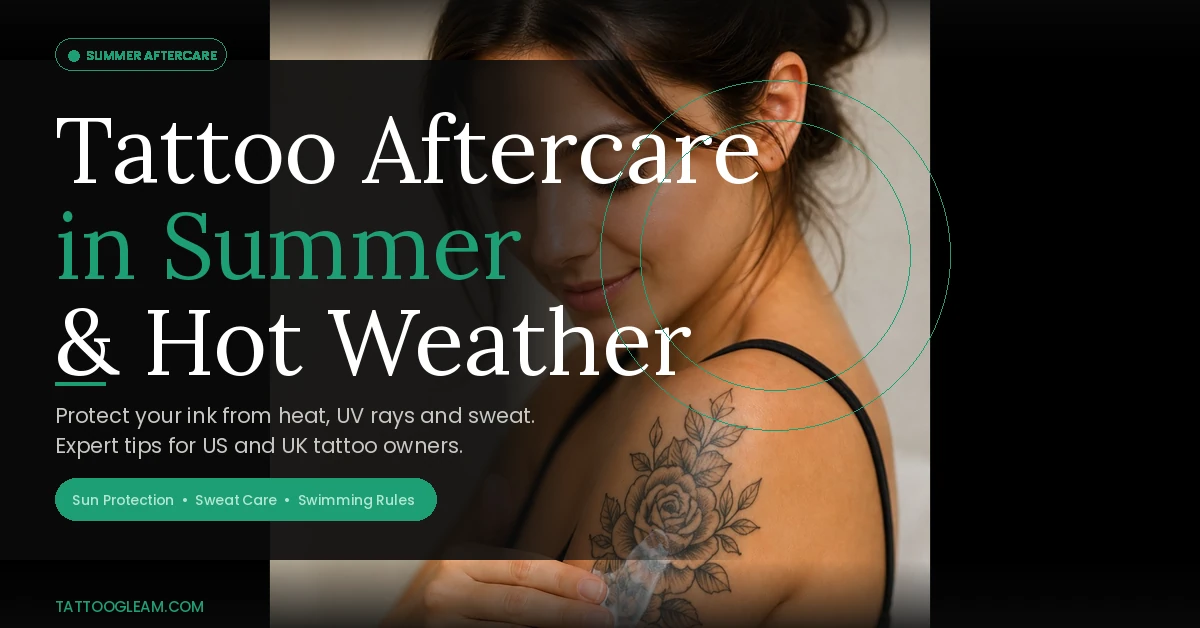
Getting a tattoo in summer is totally fine. Healing one is where things get complicated. Heat, sweat, UV rays, and pool water are four of the biggest enemies of a fresh tattoo. Here is exactly what dermatologists and professional artists across the US and UK recommend to protect your ink all summer long.
A fresh tattoo is, at its core, an open wound. Your tattoo artist spent hours puncturing your skin thousands of times to deposit ink into the dermis layer, leaving the surface raw, inflamed, and completely exposed to the environment. In cooler months, that environment is relatively forgiving. In summer, it becomes a gauntlet.
Dr. Angela Lamb, Director of the Westside Mount Sinai Dermatology Faculty Practice, explains it plainly: tattoos are essentially wounds when fresh, and even once healed, they are areas of skin that need consistent protection to keep the ink looking sharp and vibrant. Sun protection is crucial because UV rays fade tattoo pigment over time. In summer, that UV exposure is constant and often unavoidable.
Dermatologist Dr. Shilpi Khetarpal from the Cleveland Clinic adds that improper or negligent aftercare can compromise the healing process entirely, leaving you with infections, rashes, scars or smudges in your tattoo. In summer, the risks multiply because of four specific environmental factors: heat, sweat, sunlight, and water.
UV radiation is the single biggest threat to tattoo vibrancy, both short term and long term. On a fresh tattoo, sun exposure causes inflammation, delays healing, and can permanently alter the way ink looks once the skin has recovered. On a healed tattoo, UV rays break down the pigment molecules in the ink over time, causing colors to fade and linework to blur. The American Academy of Dermatology recommends applying a broad-spectrum, water-resistant sunscreen with SPF 30 or higher to any healed tattooed skin before sun exposure and reapplying every two hours. For fresh tattoos, the guidance is stricter: no direct sun exposure at all until fully healed.
Sweat is essentially a warm, salty liquid being produced directly on top of an open wound. It irritates the healing tissue, increases the moisture level on the skin surface, and creates exactly the kind of warm, damp environment where bacteria thrive. For summer tattoos, this means avoiding heavy workouts, outdoor activities that cause excessive sweating, and spending long periods in hot environments during the first two weeks of healing. If you do sweat, clean the tattoo gently with lukewarm water and allow it to fully dry before applying any moisturizer.
This is one of the most commonly broken rules in summer tattoo aftercare. Dr. Sherber, a dermatologist and assistant professor at George Washington University, is clear on this point: the general recommendation is to wait at least four weeks, or until your tattoo is fully healed, before submerging it in water. Pools are damaging because chlorine dries out the skin and can strip away fresh ink. Natural bodies of water like lakes, rivers, and the ocean are filled with microorganisms and bacteria that can easily find their way into open skin. Hot tubs are the worst case scenario: warm, shared water filled with bacteria and chemicals is a perfect recipe for tattoo infection.
In summer, people often reach for lightweight synthetic fabrics that cling to the body. For a healing tattoo, this is a serious problem. Tight clothing rubs against the tattooed area, disrupts scab formation, and can literally pull fresh ink out of the skin. Synthetic fabrics like polyester and nylon trap heat and moisture against the wound. During the healing period, loose cotton or linen clothing over the tattooed area is always the right choice.
The first 72 hours are the most important in any tattoo healing process, and in summer they demand extra care. Keep the tattoo covered and out of sunlight entirely. If your artist applied a Saniderm second-skin bandage, leave it on for the recommended three to five days. If they used standard cling wrap, remove it after two to four hours and begin your washing routine. Wash the tattoo twice daily with a mild, fragrance-free antibacterial soap using only your clean fingertips. Pat dry with a clean paper towel. Apply a very thin layer of Aquaphor Healing Ointment. Avoid any activity that causes heavy sweating during this window.
The tattoo will begin to peel and flake, similar to a sunburn. Do not pick at it under any circumstances. Switch from ointment to a lightweight, fragrance-free lotion such as Lubriderm Unscented or Hustle Butter Deluxe and apply two to three times daily. Keep the tattoo out of direct sunlight by wearing loose clothing over it whenever you go outdoors. Do not apply sunscreen yet as it is not safe for use on broken or healing skin. Wash gently after any sweating and let the skin air dry completely before moisturizing.
The outer layer of skin has healed but the deeper dermis is still recovering. This is when you can begin applying sunscreen over the tattoo whenever you are outdoors. Use a broad-spectrum mineral sunscreen with SPF 50 or higher, ideally one containing zinc oxide of 8% or more. Reapply every two hours in direct sunlight. Continue daily moisturizing. You can now return to light swimming in chlorinated pools, though natural open water and extended beach sessions should still be approached with caution.
Your tattoo looks healed but the deep skin layers are still completing their recovery. Make SPF 50 sunscreen a permanent part of your summer routine on any tattooed skin. Moisturize daily. Avoid prolonged sun exposure during peak UV hours between 10am and 4pm. A well-protected tattoo at five years looks dramatically better than an unprotected one.
Avoid petroleum-based formulas during summer as they can trap heat and bacteria against the skin. Lightweight, fast-absorbing lotions like Lubriderm Unscented or Aveeno Daily Moisturizing Lotion are far better choices for hot and humid conditions.
Loose cotton or linen clothing over the tattoo is your best friend in summer. It protects from sun exposure, allows airflow, and prevents the rubbing and friction that tight synthetic fabrics cause on healing skin.
Skin healing happens from the inside out. In hot weather, you lose extra fluid through sweating and dehydrated skin heals more slowly. Drink plenty of water throughout the day to support your skin’s natural repair process.
Whether it’s a pool, the ocean, a lake, or a hot tub, do not submerge a fresh tattoo in water for at least four weeks. Even a brief dip exposes an open wound to bacteria, chemicals, and moisture that can cause infection, color loss, and permanent damage to the ink.
Once your tattoo has fully healed, applying SPF 50 sunscreen before any sun exposure is the single most important thing you can do to maintain long-term vibrancy. Choose a broad-spectrum, water-resistant formula with zinc oxide for the best protection.
Heavy exercise causes excessive sweating which irritates a fresh tattoo and creates a moist, warm environment where bacteria multiply rapidly. Light walking is fine but skip the gym, outdoor runs, and high-intensity workouts for the first two weeks.
If you sweat on or near the tattoo, clean it immediately with lukewarm water and a fragrance-free soap. Allow the area to air dry completely before applying moisturizer. Never leave sweat sitting on a healing tattoo.
If you must be outdoors during the healing period, plan activities for early morning or late evening when UV levels are lowest. Avoid being outdoors between 10am and 4pm when UV Index peaks, especially during the first three weeks of healing.
Heat can cause a healing tattoo to become swollen and inflamed. If this happens, a cool compress held near (not directly on) the tattoo for 10 to 15 minutes can reduce swelling. Never apply ice directly to a healing tattoo.
In summer, infection risk is higher. Watch closely for intense spreading redness, swelling that worsens after day three, skin that is hot to the touch, yellow or green discharge, a bad smell, or fever. If you notice any of these, see a doctor immediately.
Once your tattoo is fully healed, sunscreen becomes your most important long-term aftercare product. Not all sunscreens are equal when it comes to protecting tattoo ink. Here is what dermatologists recommend:
This is a question many people ask, and the honest answer is: it depends on your lifestyle and how committed you are to the aftercare rules.
If your summer plans involve beach holidays, outdoor festivals, daily swimming, or long days in direct sunlight, waiting until autumn is genuinely the smarter choice. A tattoo is permanent. Waiting six to eight weeks to get it in a cooler month is a small sacrifice compared to dealing with a poorly healed, faded, or infected tattoo for the rest of your life.
If you are willing to follow every rule strictly, stay indoors during the critical first two weeks, avoid swimming, and take the aftercare seriously in the heat, then getting tattooed in summer is perfectly achievable. Thousands of people across the US and UK get beautiful summer tattoos every year. The difference between a good outcome and a bad one almost always comes down to the quality of aftercare.
Can I get a tattoo in summer?
Yes, you can get a tattoo in summer. However, hot weather, UV exposure, and summer activities like swimming create additional challenges during the healing process. If you plan to get tattooed in summer, commit to strict aftercare rules: stay out of the sun, avoid swimming for at least four weeks, and keep the tattoo clean and moisturized through the heat.
How do I protect my new tattoo at the beach?
The honest answer is that the beach is one of the worst environments for a fresh tattoo. Salt water, sand, direct sunlight, and heat are all harmful to healing skin. The best protection is to not go to the beach during the healing period. If you must, cover the tattoo completely with loose clothing, keep it entirely out of the water, and never apply sunscreen to unhealed skin.
Can I apply sunscreen to a new tattoo to protect it from the sun?
No. Sunscreen should never be applied to a fresh or healing tattoo. It contains chemical ingredients that are not safe for broken skin. The correct approach is to keep the tattoo covered with clothing and out of sunlight entirely until it is fully healed, at which point SPF 50 sunscreen should be applied before any sun exposure.
Why does my tattoo itch more in summer?
Heat, sweat, and dry air from air conditioning all contribute to increased itching during tattoo healing in summer. Keeping the tattoo properly moisturized reduces itching significantly. A cool compress near the area (never directly on it) can also provide temporary relief.
How long after getting a tattoo can I go swimming?
Dermatologist Dr. Sherber at George Washington University recommends waiting at least four weeks, or until the tattoo is fully healed, before submerging it in water. This applies to pools, oceans, lakes, rivers, and hot tubs. Many tattoo artists say two to three weeks but dermatologists consistently recommend the more conservative four-week guideline for the safest results.
Does sweating ruin a tattoo?
Light, incidental sweating will not ruin a tattoo as long as you clean the area afterward and allow it to dry completely. Heavy, sustained sweating during workouts or outdoor activities is more problematic because it keeps the wound continuously wet and introduces bacteria. During the first two weeks of healing, minimize situations that cause heavy sweating wherever possible.
What is the best sunscreen for tattoos in the US and UK?
Dermatologists recommend broad-spectrum mineral sunscreens containing zinc oxide at SPF 50 or higher for tattooed skin. In the US, EltaMD UV Clear SPF 46, Neutrogena Ultra Sheer Dry-Touch SPF 55, and La Roche-Posay Anthelios are excellent options. In the UK, Altruist Broad Spectrum SPF 50, Bondi Sands SPF 50, and Ultrasun SPF 50 are all available at Boots and Superdrug.
Can I sit in the shade with a fresh tattoo?
Yes, shade is far safer than direct sunlight for a fresh tattoo. However, UV rays reflect off surfaces like sand, water, and concrete even in shade, so protection is not complete. Wearing loose clothing over the tattoo is still recommended even when sitting in the shade during the healing period.
Disclaimer: This article is for informational purposes only and does not constitute medical advice. Always follow your tattoo artist’s specific aftercare instructions and consult a dermatologist if you experience any signs of infection or allergic reaction.
TattooGleam Editorial Team
Tattoo aftercare experts · tattoogleam.com