July 12, 2026

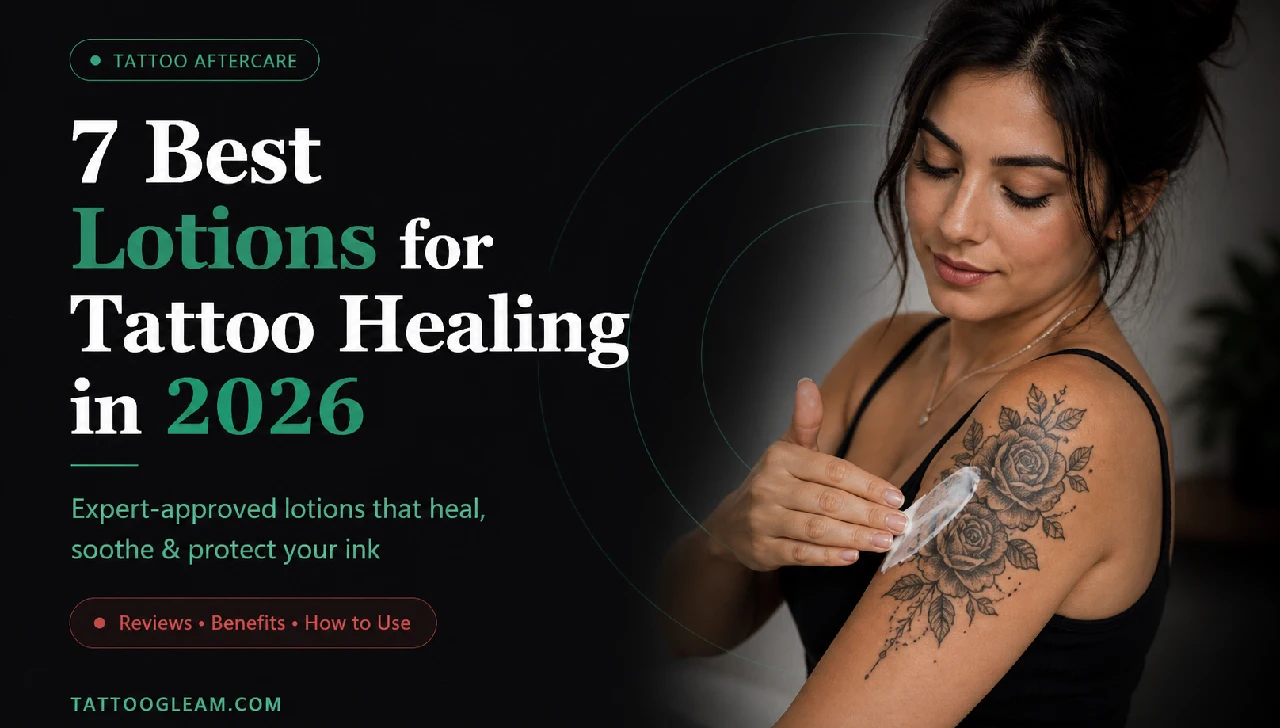
Your tattoo artist did their job — now it’s your turn. The lotion you choose in the next 2 to 4 weeks will determine whether your ink heals vibrant and sharp, or fades into a patchy mess. Here’s exactly what dermatologists and professional artists in the US and UK recommend in 2026.
The moment your tattoo artist puts down the machine, your skin enters a critical wound-healing phase. Hundreds of needle punctures have deposited ink deep into your dermis, leaving the surface raw, inflamed, and wide open to bacteria. What you apply to that skin over the next six weeks has a direct impact on three things: healing speed, infection risk, and the long-term vibrancy of your ink.
Board-certified dermatologist Dr. Azadeh Shirazi states that fragrance is one of the leading triggers for inflammatory reactions on fresh tattoos. Even products marketed as “gentle” or “natural” can contain synthetic fragrances that cause irritation, delayed healing, and permanent dullness in your tattoo’s colors. The American Academy of Dermatology recommends using only fragrance-free, alcohol-free moisturizers on new tattoos until they are fully healed — which typically takes three to six months at the deeper skin layers, even if the surface looks fine after two weeks.
Before spending money on any product, run it through this checklist. A good tattoo healing lotion must tick every box:
Glycerin draws moisture into the skin cells and keeps them hydrated. Hyaluronic acid plumps and repairs the dermal barrier. Ceramides rebuild your skin’s natural protective layer. Provitamin B5 (panthenol) actively promotes cell regeneration and reduces itching. Shea butter, mango butter, and jojoba oil nourish without blocking oxygen flow. These are your friends during the healing process.
Every product on this list has been vetted by professional tattoo artists, dermatologists, or both. All are readily available in the US and UK.
The undisputed favorite among professional tattoo artists in the US and UK. Made entirely from natural, plant-based ingredients — shea butter, mango butter, papaya butter, coconut oil, and rice bran oil. 100% petroleum-free and completely vegan. Absorbs deeply into the dermis, nourishing healing skin without trapping bacteria or blocking airflow. Artists at studios across New York, Los Angeles, London, and Manchester regularly recommend it to clients.
Best for: All tattoo types · All skin types · Those wanting a premium natural option → Check price on AmazonDeveloped by dermatologists and clinically proven to moisturize dry skin for a full 24 hours. Silky, non-sticky texture absorbs immediately with zero greasy residue. Endorsed by professional tattoo artists including Ami James of Miami Ink. Under $10 for a large bottle — professional-grade results at a drugstore price. Available at CVS, Walgreens, Walmart, Amazon US, and Boots UK.
Best for: Budget-conscious users · Daily maintenance · First-time tattoo owners → Check price on AmazonRecommended by Dr. Rosanne Paul, board-certified dermatologist at University Hospitals. Contains three essential ceramides that restore your skin’s natural protective barrier, hyaluronic acid for deep hydration, and petrolatum to lock in moisture. Hypoallergenic, fragrance-free, dye-free, and preservative-free. Ideal for people with eczema-prone or sensitive skin. Available at Target, CVS, Boots, Superdrug, and Amazon.
Best for: Sensitive skin · Eczema-prone skin · Large tattoos needing barrier repair → Check price on AmazonRecommended by dermatologists as a first-stage aftercare product for the initial three to five days after tattooing. Unlike 100% petroleum jelly, Aquaphor contains only 41% petrolatum plus lanolin alcohol, glycerin, and bisabolol — making it semi-breathable. Creates a protective healing barrier while still allowing some oxygen to pass through. Use in a very thin layer only, then switch to a lighter lotion after day five.
Best for: Days 1–5 only · Initial wound protection · Large fresh tattoos → Check price on AmazonAveeno’s signature oat-based formula has earned a devoted following in both the US and UK tattoo community. Its prebiotic oat complex locks in moisture, calms itching during the peeling phase, and keeps healing skin smooth without clogging pores. Dermatologist-approved and gentle enough for daily use throughout the entire healing period. Available at Boots, Superdrug, Tesco, Walgreens, and CVS.
Best for: Itchy peeling phase · Dry skin types · Budget shoppers in the UK → Check price on AmazonThe official aftercare lotion of some of the biggest tattoo conventions in the US. Its grape seed oil base is clinically proven to keep tattooed skin healthy and vibrant, while its non-petroleum formula allows skin to breathe fully. Completely vegan, paraben-free, and non-allergenic. Particularly popular among color tattoo collectors because it visibly enhances ink brightness and maintains long-term vibrancy.
Best for: Color tattoos · Serious collectors · Clinical tattoo-specific formula → Check price on AmazonOne of the original tattoo-specific aftercare brands, trusted by artists and clients since the 1990s. Contains olive oil, panthenol (provitamin B5), and wheat germ oil — nourishing healing skin, preventing scabbing, and accelerating cell regeneration. Free from petroleum, parabens, and synthetic fragrances. Particularly effective during weeks two through four when the tattoo enters the dry and peeling phase.
Best for: Weeks 2–4 healing phase · Natural ingredient preference · Black and grey tattoos → Check price on AmazonApplying the right lotion incorrectly is just as bad as using the wrong product. Here is the professional method used by top artists at studios across the US and UK.
Before applying any lotion, wash your hands thoroughly with antibacterial soap. Then gently clean the tattoo with lukewarm water and a mild, fragrance-free soap like Dr. Bronner’s Unscented or Dial Fragrance Free. Pat dry with a clean paper towel — never a cloth towel which can harbor bacteria.
Apply only a pea-sized amount of lotion — enough to create a very thin, barely-there layer over the tattoo. You should be able to see the tattoo clearly through the lotion. A thick, shiny coat is too much and will suffocate the skin, causing over-moisturization which leads to ink loss.
Using clean fingertips, gently work the lotion into the skin using small circular motions. Do not rub aggressively. The lotion should absorb within 60 seconds. If it takes longer, you’ve applied too much — blot the excess with a clean paper towel.
During the first two weeks, apply lotion morning, afternoon, and before bed. After the peeling phase is complete, once or twice daily is sufficient. Continue moisturizing for at least three months for the best long-term results.
Different stages of healing call for different products. Here is the complete timeline used by professional studios across the US and UK.
Your tattoo is an open wound weeping plasma and excess ink. Use Aquaphor Healing Ointment in the thinnest possible layer twice daily. Keep the tattoo clean. Do not cover it again after removing the initial bandage unless your artist applied a Saniderm second-skin wrap, which can stay on for three to five days.
Switch from ointment to a lighter lotion — Lubriderm, Aveeno, or Hustle Butter work perfectly here. Apply two to three times daily. The tattoo will flake and peel like a sunburn. Do not pick at peeling skin under any circumstances. Picking is the single most common cause of patchy tattoo healing.
The surface skin has healed but a fresh layer of skin is forming over the ink, making it appear cloudy or dull. Continue moisturizing once or twice daily. Apply a broad-spectrum SPF 50 sunscreen whenever the tattoo is exposed to sunlight — UV rays are the leading cause of long-term tattoo fading.
Continue daily moisturizing and sun protection. Your tattoo’s true vibrancy will fully emerge during this phase as the deeper skin layers complete their healing cycle. A well-maintained tattoo at five years looks better than a neglected one at six months.
How soon after getting a tattoo can I start applying lotion?
You can start applying a thin layer of Aquaphor or Tattoo Goo as soon as you remove your initial bandage — usually two to four hours after leaving the studio. If your artist applied a Saniderm second-skin wrap, wait until you remove that before starting your lotion routine.
Can I use regular unscented lotion on my tattoo?
Yes — regular fragrance-free, alcohol-free lotions like unscented Lubriderm or Aveeno are perfectly safe and widely recommended by dermatologists. You do not need to buy expensive tattoo-specific products, though dedicated tattoo balms like Hustle Butter do offer additional benefits for color vibrancy.
Is Bepanthen good for tattoo healing? (UK readers)
Bepanthen Nappy Care Ointment is widely used in the UK and Europe for tattoo aftercare, and many British tattoo artists recommend it. It contains provitamin B5 which promotes skin regeneration and is acceptable for tattoo healing. Use in a very thin layer only, particularly in the first week.
How do I know if I’m over-moisturizing my tattoo?
Signs of over-moisturizing include the skin feeling constantly wet or waterlogged, small white bumps appearing around the tattoo, ink appearing to blur slightly, and itching that worsens after applying lotion. If you notice these signs, reduce application to once daily and use a thinner layer.
Can I use coconut oil instead of lotion on my tattoo?
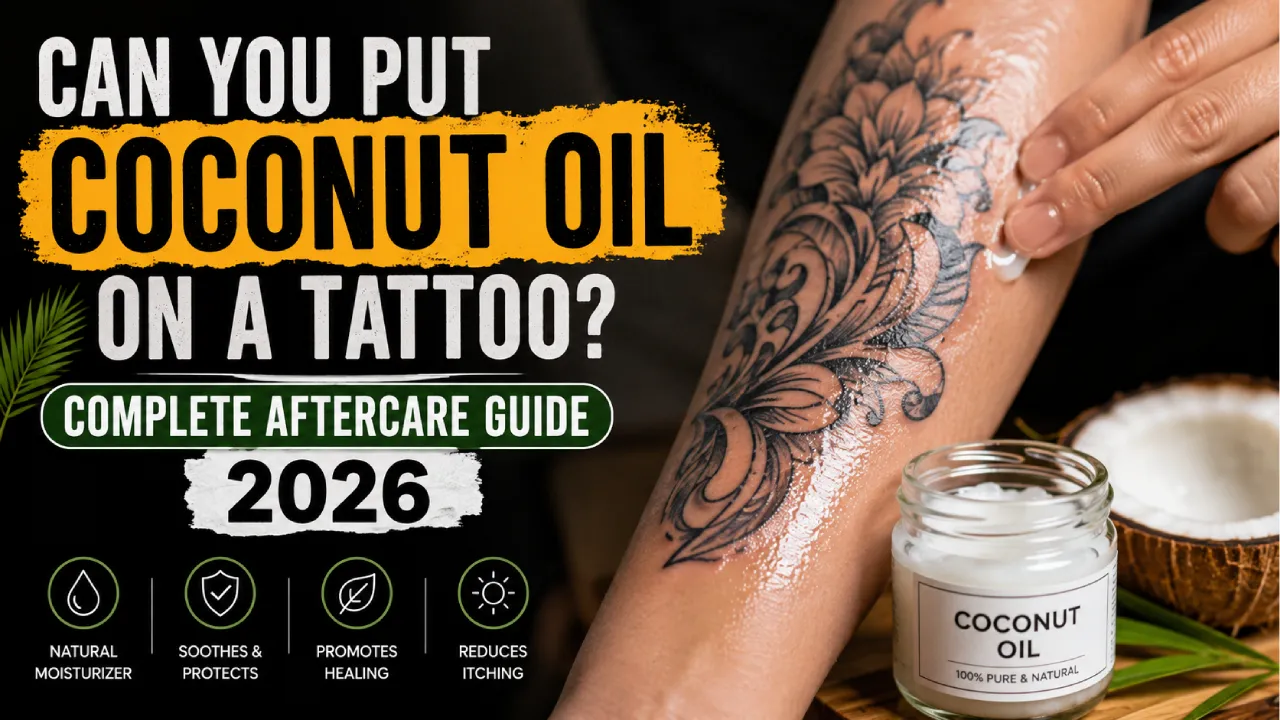
Pure, unrefined coconut oil is a reasonably safe option for tattoo healing. It has natural antimicrobial properties and absorbs into the skin rather than sitting on top. However, some people are allergic to coconut oil, and it is less effective than purpose-formulated products like Hustle Butter or Lubriderm. Always do a patch test first.
When can I stop using aftercare lotion on my tattoo?
Actively moisturize your tattoo for at least six to eight weeks. After that, daily moisturizing is still recommended for long-term ink vibrancy, but you can transition to any fragrance-free body lotion as part of your normal skincare routine.
What is the best tattoo lotion available at Boots in the UK?
Aveeno Daily Moisturizing Lotion (unscented), CeraVe Moisturizing Cream, and Bepanthen Ointment are all available at Boots across the UK and are among the best options for tattoo healing. Hustle Butter Deluxe can also be ordered via Amazon UK with next-day Prime delivery.
Does lotion affect tattoo color vibrancy?
Yes — significantly. Proper moisturizing during the healing phase directly impacts how bright and sharp your tattoo looks once fully healed. Dry, under-moisturized tattoos peel more aggressively, pulling ink out and leaving patchy or dull areas. Consistently moisturized tattoos heal with more vivid color and crisper linework.
Disclaimer: This article is for informational purposes only and does not constitute medical advice. This post contains affiliate links — if you purchase through these links, TattooGleam may earn a small commission at no extra cost to you.
TattooGleam Editorial Team
Tattoo aftercare experts · tattoogleam.com