June 20, 2026

In This Article
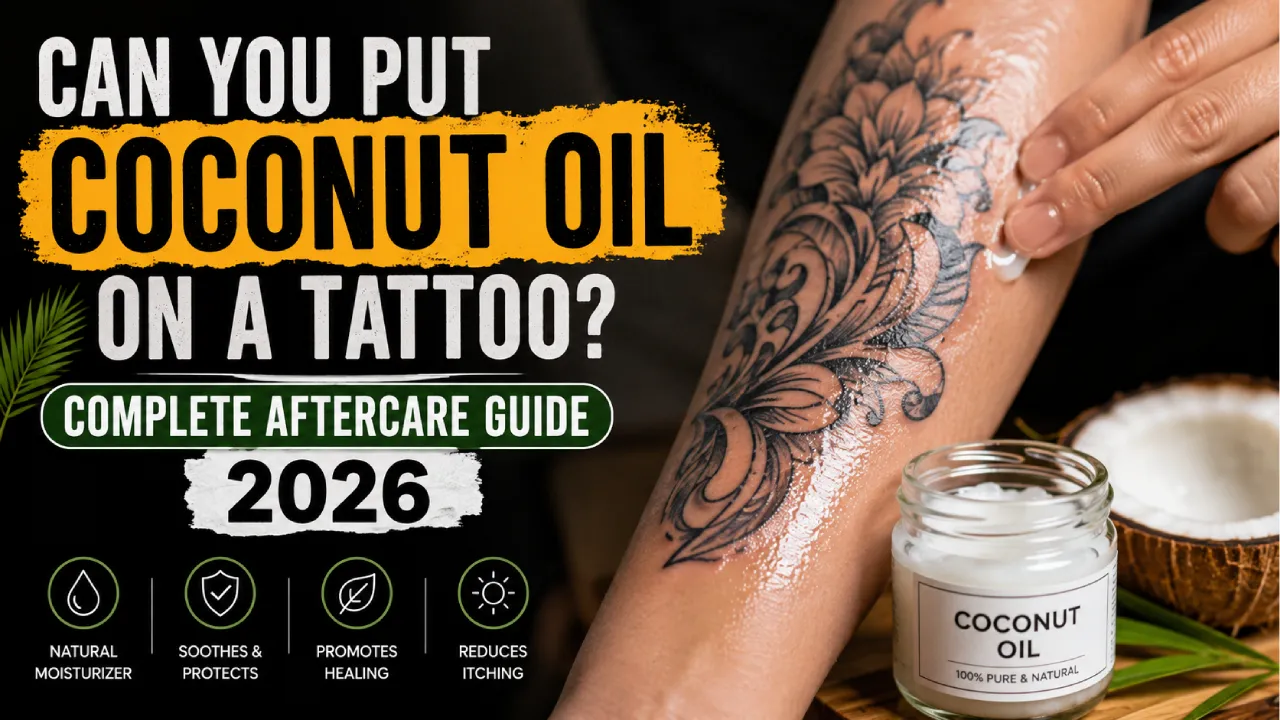
Coconut oil sits in millions of bathrooms across the US and UK. It is natural, inexpensive, and widely celebrated for its skin benefits. But when it comes to a fresh tattoo, the question of whether you can put coconut oil on it is one that deserves a careful, honest answer — not just a quick yes or no.
Coconut oil is a natural fat derived from the white flesh of mature coconuts. It has been used for centuries across South Asia, Southeast Asia, and tropical regions for both cooking and skin care. In the modern wellness space, it has become one of the most popular natural skin care ingredients in the US and UK, praised for its moisturizing properties, natural antimicrobial compounds, and ease of use.
The appeal of coconut oil for tattoo aftercare is understandable. It is natural, widely available, fragrance-free in its pure form, and considerably cheaper than dedicated tattoo aftercare products. For people who are cautious about synthetic ingredients in commercial lotions, coconut oil feels like a logical, clean alternative. At Tattoo Gleam, we understand that appeal completely, which is why we want to give you the full picture rather than a blanket endorsement or rejection.
The science behind coconut oil’s skin benefits is real. It contains a high concentration of medium-chain fatty acids, particularly lauric acid, capric acid, and caprylic acid. These compounds have been studied for their antimicrobial and anti-inflammatory properties. Lauric acid in particular has demonstrated meaningful antibacterial effects in laboratory settings, which is why coconut oil is often promoted as a natural alternative to synthetic aftercare products.
The most important distinction when it comes to coconut oil and tattoos is the stage of healing. What is safe and beneficial for a fully healed tattoo may not be appropriate for fresh ink. A new tattoo is, medically speaking, an open wound. The needle has punctured your skin thousands of times, depositing ink into the dermis layer and leaving the surface raw, inflamed, and vulnerable. The rules that apply to intact, healthy skin do not apply in the same way to healing skin.
Before diving into the tattoo-specific guidance, it is worth understanding what coconut oil actually does to skin at a biological level. This context makes the aftercare advice much easier to understand and apply correctly.
Lauric acid makes up approximately 50 percent of the fatty acid content in virgin coconut oil. Research published in the Journal of Medicinal Food and cited by Healthline confirms that lauric acid demonstrates significant antimicrobial activity against a range of bacteria, viruses, and fungi. This property is why coconut oil has been proposed as a natural way to protect healing wounds, including tattoos, from infection. The antimicrobial protection is genuine, though it is worth noting that it is not as consistently reliable as the antibacterial properties of dedicated aftercare products like Aquaphor or professional tattoo ointments.
Coconut oil has also been shown to support the skin’s natural protective barrier and healthy levels of inflammation. According to Saniderm, a leading tattoo aftercare brand, coconut oil can help reduce skin swelling and provide soothing relief during the healing process. This anti-inflammatory effect is particularly relevant during the peeling stage of tattoo healing, when itching and irritation are at their peak.
Coconut oil works primarily as an occlusive and emollient moisturizer. When applied to skin, it forms a light layer that slows moisture evaporation from the surface. Unlike petroleum-based products such as Vaseline — which we cover in detail in our guide on whether you can use Vaseline on a tattoo — coconut oil is semi-breathable, meaning it does not completely seal the skin from oxygen. This is an important distinction, particularly for healing tattoos that need some airflow to recover properly.
This is the question most people actually want answered, and the honest answer is: with significant caution. The general medical guidance, supported by both dermatologists and experienced tattoo artists, is to approach coconut oil on a fresh tattoo carefully during the first two to three weeks of healing.
According to Healthline, coconut oil is gentle enough to use during any stage of the tattoo process, but they strongly recommend consulting your tattoo artist or dermatologist first and always doing a patch test before use. This is not a blanket endorsement of applying it immediately after your tattoo session. It is a conditional approval that comes with important caveats.
During the first three to seven days after getting tattooed, your skin is at its most vulnerable. The tattooed area is an open wound producing plasma, small amounts of blood, and excess ink. Your immune system is actively working to begin the repair process. This is the stage where infection risk is highest and where the wrong product can cause the most damage. During this window, most dermatologists and tattoo professionals recommend sticking to proven, purpose-formulated aftercare products rather than experimenting with natural alternatives. Our complete guide to what to use for tattoo aftercare covers exactly which products are most appropriate at each stage.
Coconut oil rates between 3 and 4 on the comedogenic scale, where 0 is non-comedogenic and 5 is highly likely to clog pores. For most intact, healthy skin, this comedogenic rating is manageable. But for healing tattoo skin where the pores are open and the barrier is compromised, the risk of blocked pores is amplified. Professional tattoo studios note that coconut oil can create an occlusive layer that holds in too much moisture, increasing the risk of overhydration which can cause scabbing, ink loss, and irritation on fresh tattoos.
Over-moisturizing is one of the most common mistakes in tattoo aftercare, and coconut oil can contribute to this problem if used too liberally on a fresh tattoo. When too much moisture is locked against healing skin for too long, the skin becomes waterlogged and soft. This interferes with the natural formation of a light protective layer over the tattoo and can actually cause the ink to lift or blur. If your tattoo already feels tight, flaky, or dry after moisturizing, our guide on why your tattoo feels dry even after moisturizing explains the different causes and how to address them correctly.
The clearest guidance from dermatologists and tattoo professionals is that coconut oil becomes a safe and beneficial option once the tattoo has fully healed. Most tattoos complete their surface healing within three to four weeks, though the deeper layers of skin continue recovering for up to six months. Once the surface is fully closed, the pores are no longer compromised, and the comedogenic risk of coconut oil is significantly reduced.
Understanding the healing stages of your tattoo is essential to knowing when the timing is right. Our detailed breakdown of tattoo healing stages from day one to day thirty gives you a clear picture of what your skin is doing at each point and when it is safe to introduce different products.
The tattoo is an open wound. Stick to a fragrance-free antibacterial soap for cleaning and Aquaphor Healing Ointment in a very thin layer for protection. Do not introduce coconut oil during this window.
The tattoo is in the peeling and itching phase. The surface is more stable but still not fully healed. If you choose to use coconut oil during this phase, apply the absolute minimum amount, ensure your hands are completely clean, and monitor closely for any signs of irritation or blocked pores. Most dermatologists recommend waiting longer.
Once the surface has fully healed and the tattoo no longer feels tight or sensitive, pure virgin coconut oil can be incorporated into your regular skincare routine as a moisturizer. Always do a patch test first and use only a small amount.
For older, fully healed tattoos, coconut oil is an excellent daily moisturizer that can help keep the skin supple and the ink looking vibrant over time. Many people with established tattoo collections swear by it as a long-term maintenance product.
When used at the right time and in the right way, coconut oil offers several genuine benefits for tattooed skin. Here is what the research and professional experience actually support:
The lauric acid content in virgin coconut oil provides a meaningful level of antimicrobial protection. According to Saniderm, because coconut oil is rich in lauric, capric, and caprylic acids which appear to have antibacterial effects, it may help decrease the risk of infections from microbes including bacteria and viruses. This makes it a useful protective agent, particularly for older tattoos that are regularly exposed to environmental bacteria through daily activities.
For people who prefer to avoid synthetic preservatives, fragrances, and chemicals in their skincare, coconut oil offers a genuinely effective natural alternative. It hydrates deeply, helps maintain skin elasticity, and does not contain the artificial additives that can irritate sensitive skin. This is particularly relevant for the long-term maintenance of healed tattoos, where the goal is simply to keep the skin healthy and the ink vibrant.
The anti-inflammatory properties of coconut oil can provide real comfort during the itching phase of tattoo healing, which typically peaks around days seven to fourteen. A very small, thin amount applied to fully closed but still healing skin can reduce the urge to scratch. Scratching a healing tattoo is one of the most damaging things you can do to the ink. Our guide on how to care for a new tattoo covers why scratching causes permanent damage and how to manage the itch effectively.
Dedicated tattoo aftercare products can be expensive, particularly the premium balms like Hustle Butter Deluxe. For the long-term daily maintenance of healed tattoos, pure coconut oil represents a significantly more affordable alternative that delivers real results. You only need a tiny amount per application, making even a small jar last for weeks or months of daily use.
One of the most frequently cited benefits of coconut oil for healed tattoos is its ability to make ink appear more vibrant and saturated. When skin is well-moisturized, the surface reflects light more evenly, which makes tattoo colors appear deeper and more vivid. For people looking to keep their ink looking its best between professional touch-ups, regular moisturizing with coconut oil is an effective and natural approach.
Coconut oil is generally well tolerated by most skin types, but allergic reactions do occur in a minority of people. Symptoms of a coconut oil reaction on tattoo skin include redness that spreads beyond the tattoo border, increased itching, small raised bumps around the tattooed area, and a warm or burning sensation. If you experience any of these, remove the coconut oil immediately with lukewarm water and gentle soap, and consult a dermatologist. This is why a 72-hour patch test on untattooed skin is strongly recommended before applying coconut oil to any fresh or healing tattoo.
Coconut oil’s moderate comedogenic rating means it can clog pores, particularly on skin that is compromised by the tattooing process. Clogged pores on healing tattoo skin can trap the bacteria that naturally exist on your skin’s surface, increasing the risk of localized infection. Signs of a potential infection include spreading redness, swelling that worsens after the first three days, warmth, unusual discharge, or a bad smell. If you notice any of these signs, contact a dermatologist immediately.
Applying too much coconut oil too frequently during the healing phase can lead to over-moisturization, where the skin becomes waterlogged. This condition delays natural healing, can cause ink to lift out of the dermis, and may result in a tattoo that appears blurry or patchy once fully healed. If you are struggling with keeping the moisture balance right, avoiding over-cleaning is just as important. Our guide on whether over-cleaning can damage your tattoo explains how both extremes affect the healing outcome.
People with naturally oily or acne-prone skin may find that coconut oil worsens breakouts in the skin surrounding the tattoo. If you already know that coconut oil breaks you out in your regular skincare routine, avoid using it on or near a healing tattoo entirely.
If you have decided to incorporate coconut oil into your tattoo aftercare routine after your tattoo has fully healed, here is the correct method to get the best results while minimizing any risk:
Apply a small amount of the coconut oil you plan to use to a patch of untattooed skin, cover it loosely, and wait 72 hours. If no redness, itching, or irritation develops, the oil is likely safe for your skin type.
Always start with completely clean hands. Bacteria transferred from your hands to a tattoo, even a healed one, can cause localized irritation. Use antibacterial soap and dry thoroughly before touching the tattooed area.
Scoop a pea-sized amount of coconut oil, warm it between your fingertips until it melts into a liquid, and apply a very thin, even layer over the tattooed skin. You should be able to see the tattoo clearly through the layer. If it looks shiny or greasy, you have used too much.
Use your fingertips to gently work the oil into the skin using light circular motions. This supports absorption and prevents the oil from sitting entirely on the surface where it is more likely to clog pores.
Give the oil at least five minutes to absorb before putting on clothing over the tattooed area. Clothing pressed against freshly applied coconut oil can cause the oil to rub off and trap too much heat against healing skin.
For long-term maintenance of healed tattoos, once or twice daily is sufficient. Morning after showering and evening before bed are ideal times. Over-application does not provide additional benefit and increases the risk of pore clogging.
This is the only type recommended for use on tattoos. Virgin coconut oil is cold-pressed from fresh coconut meat without chemical processing or high-heat refinement. It retains all of its natural fatty acids, antioxidants, and antimicrobial compounds in their most active form. The label should read “virgin,” “extra virgin,” or “cold-pressed” and ideally “organic.”
Refined coconut oil has been processed using heat or chemical solvents to remove impurities and the natural coconut scent. This processing strips away some of the beneficial compounds, making it less effective for skin care purposes. Avoid refined coconut oil for tattoo aftercare purposes.
Fractionated coconut oil is a liquid form that stays liquid at room temperature and absorbs more quickly than standard coconut oil. It is lighter and less comedogenic than regular coconut oil, which can be a useful option for people with oily skin who want the antimicrobial benefits without the heavier texture.
Coconut oil has real merits, but it is worth comparing it honestly to the dedicated aftercare products that are most widely recommended by dermatologists and professional tattoo artists. Our comprehensive review of the most trusted tattoo healing balms covers several products that outperform coconut oil specifically during the healing phase.
For long-term maintenance of healed tattoos, the comparison is much more favorable for coconut oil. Once healing is complete, the primary goal shifts from wound care to general skin hydration and ink preservation. In this context, virgin coconut oil competes well with commercial moisturizers, particularly for people who prefer natural ingredients. See our full guide on the best lotion for tattoo healing for a complete comparison of all major aftercare products available in the US and UK.
Coconut oil melts at approximately 24 degrees Celsius (76 Fahrenheit), which means it liquefies at standard room temperature during summer in most parts of the US and UK. While this does not affect its efficacy, it does affect how you store and apply it. In summer, coconut oil stored without refrigeration will be liquid rather than solid, which can make it easier to over-apply accidentally.
Summer aftercare for tattoos comes with its own set of considerations that extend beyond product choice. Heat, sweat, and UV exposure all create additional challenges for healing ink. Our detailed guide on tattoo aftercare in summer and hot weather covers how to adjust your routine in warmer conditions, including when and how to incorporate natural products like coconut oil safely during the warmer months.
If you are active and considering using coconut oil on a healing or healed tattoo, there are some practical considerations worth knowing. Coconut oil applied before a workout can increase friction against clothing, which is particularly problematic for a healing tattoo. For active people, applying coconut oil after washing and cooling down from a workout is a much better approach than applying it before exercise.
Sweat can also interact with coconut oil on the skin surface in ways that increase the risk of bacterial growth. Always clean the tattooed area after sweating and allow it to dry completely before applying any moisturizer, including coconut oil. Our guide on whether you can go to the gym with a new tattoo gives a full breakdown of how physical activity affects the healing process and how to modify your aftercare accordingly.
Coconut oil is not waterproof. If you apply it before swimming, showering, or any significant water exposure, it will wash off quickly and provide minimal protective benefit. For healing tattoos, water exposure itself is a significant risk factor that coconut oil cannot mitigate. Our comprehensive guide on whether you can swim with a new tattoo explains exactly when water exposure becomes safe and how to protect your ink during summer activities.
One common misconception about coconut oil is that it provides meaningful sun protection for tattoos. While coconut oil does have a very low natural SPF of approximately two to four, this is nowhere near sufficient to protect tattooed skin from UV damage. UV rays are the single biggest cause of long-term tattoo fading, and once a tattoo is fully healed, dedicated SPF 50 sunscreen is essential for outdoor sun exposure. Our guide on what happens when sunlight hits a fresh tattoo too soon explains exactly how UV exposure damages both healing and healed ink and what to do about it.
Can I put coconut oil on a new tattoo right after getting it?
No. Applying coconut oil to a brand new tattoo is not recommended. During the first week, your tattoo is an open wound and coconut oil’s comedogenic properties can clog pores, trap bacteria, and increase infection risk. Stick to dedicated aftercare products like Aquaphor Healing Ointment during the initial healing phase and introduce coconut oil only after the tattoo is fully healed.
Does coconut oil help tattoos heal faster?
There is limited direct evidence that coconut oil accelerates tattoo healing specifically. Its antimicrobial and anti-inflammatory properties may support the healing environment, but dedicated tattoo aftercare products are better formulated for this purpose. Where coconut oil genuinely excels is in long-term maintenance of healed tattoos, where it keeps skin supple and ink looking vibrant.
Is coconut oil better than Vaseline for tattoo aftercare?
For healing tattoos, coconut oil is generally preferable to pure Vaseline because it is semi-breathable rather than fully occlusive. Vaseline creates a complete seal over the skin that blocks oxygen, traps bacteria, and can pull ink out of a healing tattoo. Coconut oil, applied in small amounts, allows more airflow. However, both should be used with caution on fresh tattoos, and dedicated aftercare products are safer and more effective than either during the healing phase.
How often should I apply coconut oil to a healed tattoo?
Once or twice daily is sufficient for long-term maintenance of healed tattoos. Morning after showering and evening before bed are ideal application times. Over-applying does not provide additional benefit and can lead to excessive oiliness or breakouts in the surrounding skin.
Can coconut oil remove tattoo ink?
No. Coconut oil cannot remove tattoo ink from healed skin. The ink is deposited in the dermis layer, well below the surface that coconut oil can reach. However, on a fresh tattoo that is still in the early healing phase, heavy application of any occlusive product including coconut oil can potentially draw some ink to the surface as the skin heals, which is why timing and application method matter so much.
What type of coconut oil is best for tattoos?
Virgin or extra virgin cold-pressed coconut oil is the only type recommended for use on tattoos. It retains all of its natural beneficial compounds without chemical processing or additives. Refined coconut oil has been processed in ways that reduce its beneficial properties and may contain residual processing agents that are not appropriate for skin care use.
Can I use coconut oil on a tattoo in summer?
Yes, on healed tattoos. Coconut oil melts in warm temperatures, which can make it easier to over-apply in summer. Use sparingly and ensure you are also applying SPF 50 sunscreen when outdoors, as coconut oil does not provide meaningful sun protection. For fresh summer tattoos, heat and sweat create additional complications that make coconut oil a particularly risky choice during the healing phase.
Is coconut oil safe for sensitive skin tattoos?
Coconut oil is generally well tolerated by sensitive skin, but it is not universally safe. Always do a 72-hour patch test before applying to sensitive tattooed skin. People with known coconut or tree nut allergies should avoid coconut oil entirely. If you have reactive or eczema-prone skin, consult a dermatologist before use.
Can pregnant or breastfeeding women use coconut oil on their tattoos?
Topical coconut oil is generally considered low risk during pregnancy and breastfeeding when used in small amounts on intact, healed skin. However, if you are pregnant or breastfeeding and considering any new tattoo, it is essential to read our comprehensive guide on getting a tattoo while pregnant or breastfeeding before making any decisions.
Disclaimer: This article is for informational purposes only and does not constitute medical advice. Always follow your tattoo artist’s specific aftercare instructions and consult a dermatologist before introducing any new product to healing or sensitive skin.
TattooGleam Editorial Team
Tattoo aftercare experts · tattoogleam.com